|

|
|
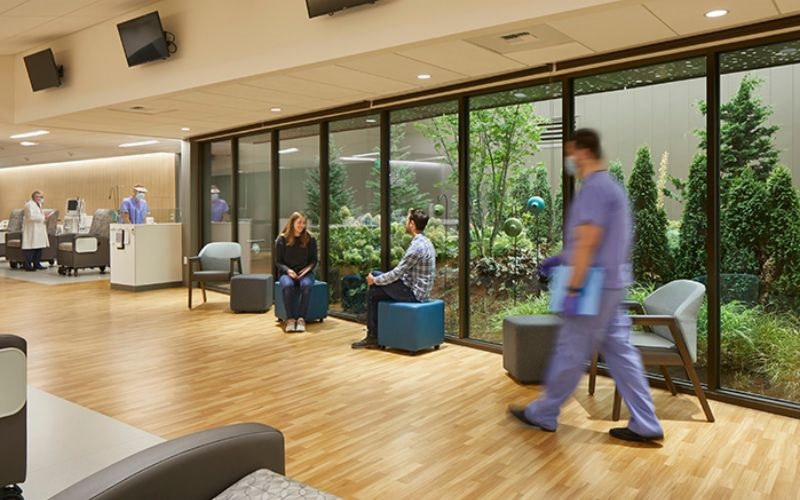
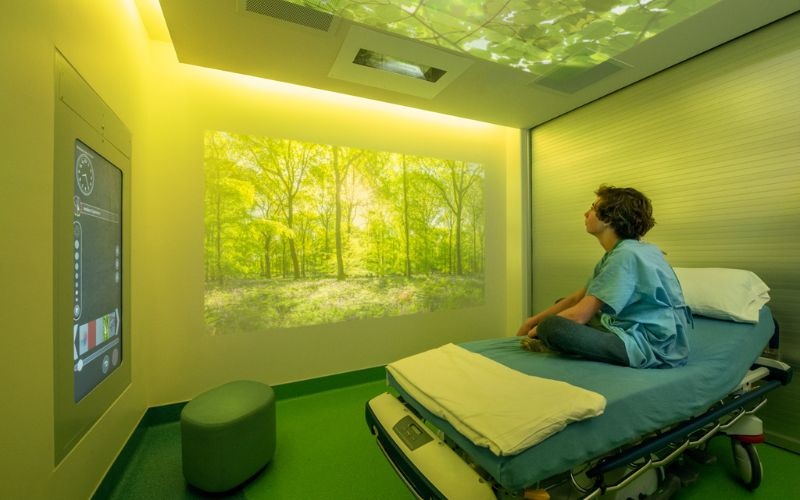
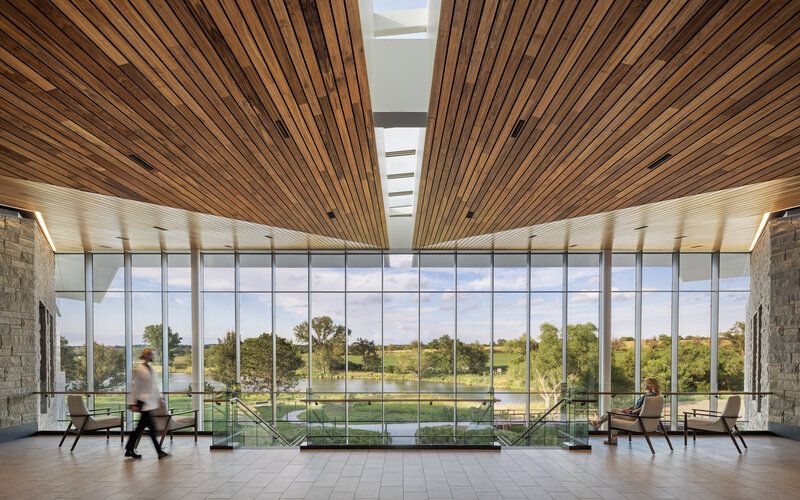
Exposure and access to nature, gardens and outdoor views have proven, restorative capabilities that can impact patients, families and staff in numerous, positive ways. Nature can help reduce stress, provide calming distraction, improve emotional and overall wellbeing, and even help speed up the rate of healing and recovery.
To support improved care and medical outcomes, and enhance the experience for patients and their families, today’s design, facility and care professionals must advance their understanding of nature’s role in health, and incorporate the best and latest research, tools and design solutions.
|
|
|
|
Biophilic design research shows that access to nature can improve stress regulation, well-being, and satisfaction during hospitalization. However, translating this evidence into public healthcare environments has been limited due to institutional complexities, regulatory systems, funding constraints, and cultural routines. The Outdoor Care Retreat in Norway demonstrates how biophilic design can be integrated into treatment pathways and offers guidance for implementing nature-enhancing environments in regulated public healthcare systems.
|
|
|
|
|
|
Healing gardens can support psychological, emotional, social, and therapeutic well-being for patients, residents, families, and healthcare staff. Participatory design is increasingly used to ensure these environments respond to users’ actual needs, yet participation often remains limited or inconsistent. Research on how participatory design influences the long-term success of healing gardens may help explain why some become meaningful therapeutic environments while others remain underused or poorly matched to users.
|
|
|
|
|
|
|
Outdoor spaces are increasingly recognized as a vital yet often underutilized component of the healing environment. This session brings together leading researchers and designers to explore the evidence connecting access to nature, fresh air, and thoughtfully designed outdoor spaces with improved patient outcomes, accelerated recovery, and enhanced staff well-being.
|
|
|
|
 |
 |
|
|
|
As recognition of the therapeutic benefits of outdoor space in behavioral health settings grows, designers have greater opportunity to apply a developing body of evidence. Informed by a nationwide facility survey, The Center’s Behavioral & Mental Health Environment Network explores current research, operational considerations, best practices, and expert insights while offering practical strategies to maximize the therapeutic impact of these environments.
|
|
|
|
|
|
Window views, indoor plants, and room décor can potentially improve restoration and healing in a hospital room environment. Preferences for these attributes and their individual effect on physiological and cognitive outcomes remain understudied. This study investigates the extent to which visible green nature in window views, plantscapes, and green colored decor in virtual reality hospital rooms, affect restoration outcomes of simulated acute care patients.
|
|
|
|
|
|
|
|
|
The goal of the Cancer Center was to consolidate comprehensive cancer care services into a single, patient-centered facility that improves access, coordination, and outcomes for rural and underserved populations. Learn how multidisciplinary care models, treatment technologies, and support services were integrated under one roof alongside biophilic design strategies that harness the healing power of nature to support wellness, recovery, and community health.
|
|
|
|
|
Exclusive Affiliate+ Member Resources
|
|
Affiliate+ members receive exclusive and unlimited access to The Center’s full library of design topic toolboxes, webinar recordings and other design tools and resources, plus free registration to all live webinars and substantial discounts to workshops, EDAC certification, publications and programs. Learn more about Affiliate+ and other membership level benefits here.
The healing effects of nature design resources available exclusively to Affiliate+ members at no additional cost include:
|
 |
 |
|
TOP RESOURCES FOR DESIGN FOR THE HEALING EFFECTS OF NATURE

JOURNAL ARTICLE | JOURNAL OF ENVIRONMENTAL PSYCHOLOGY | FULL ARTICLE ACCESS | 2026
Nature vs. Abstract Imagery as an Indoor Design Intervention in Senior Residential Settings: Effects on Cognition, Affect, and Pain in Very Old Age
KEY POINT SUMMARY | 2025
Child-Friendly Design in Pediatric Healthcare Environments: Exploring Children’s Preferences for Nature, Space, and Play
PODCAST | 2026
The Healthcare Interior Design 2.0 Podcast Episode 78: Kristin Ellingsen, CHID, NCIDQ, EDAC, Facilities Space Planner, City of Hope
JOURNAL ARTICLE | INTERNATIONAL JOURNAL OF INDUSTRIAL MANAGEMENT | FULL ARTICLE ACCESS | 2026
Towards Sustainable Integration of a Healing Garden at Healthcare Facilities
SLIDECAST | 2023
Changing the “Meaning of Place” Within a Hospital: The Impact of Establishing an Art Gallery on Esthetic Experience, Restorativeness, Affective Commitment, and Work Engagement of Healthcare Personnel
WEBINAR ON DEMAND | 2025
The Changemaker - A Pioneer Connecting Art, Medicine, and the Advancement of Evidence-based Design
JOURNAL ARTICLE | LAND | FULL ARTICLE ACCESS | 2026
Evaluating a Healthcare Rooftop Garden: Post-Occupancy Insights into Evidence-Based Design Processes and Governance Considerations
KNOWLEDGE REPOSITORY
Over 800 Nature, Views and Gardens Related Research Citations, Articles and Key Point Summaries
|
|
ABOUT US
For over 30 years the non-profit Center for Health Design has led and empowered current and future healthcare owners, clinicians, architects, designers, product & solution providers and other stakeholders in an industry-wide endeavor to maximize health through informed design.
By providing research, education and community-building to over 25,000 professionals worldwide, The Center drives measurable improvements in health, safety and business outcomes through evidence-based design of the built environment. Explore The Center’s resources, tools and learning opportunities at www.healthdesign.org.
© 2026 The Center for Health Design
|
|
|
- - - - - - - - - - - - - - - - - - - - - - - - - - - - - - - - -
|